Online Dating Apps: Navigating the Digital Dating Landscape and Avoiding Common Pitfalls
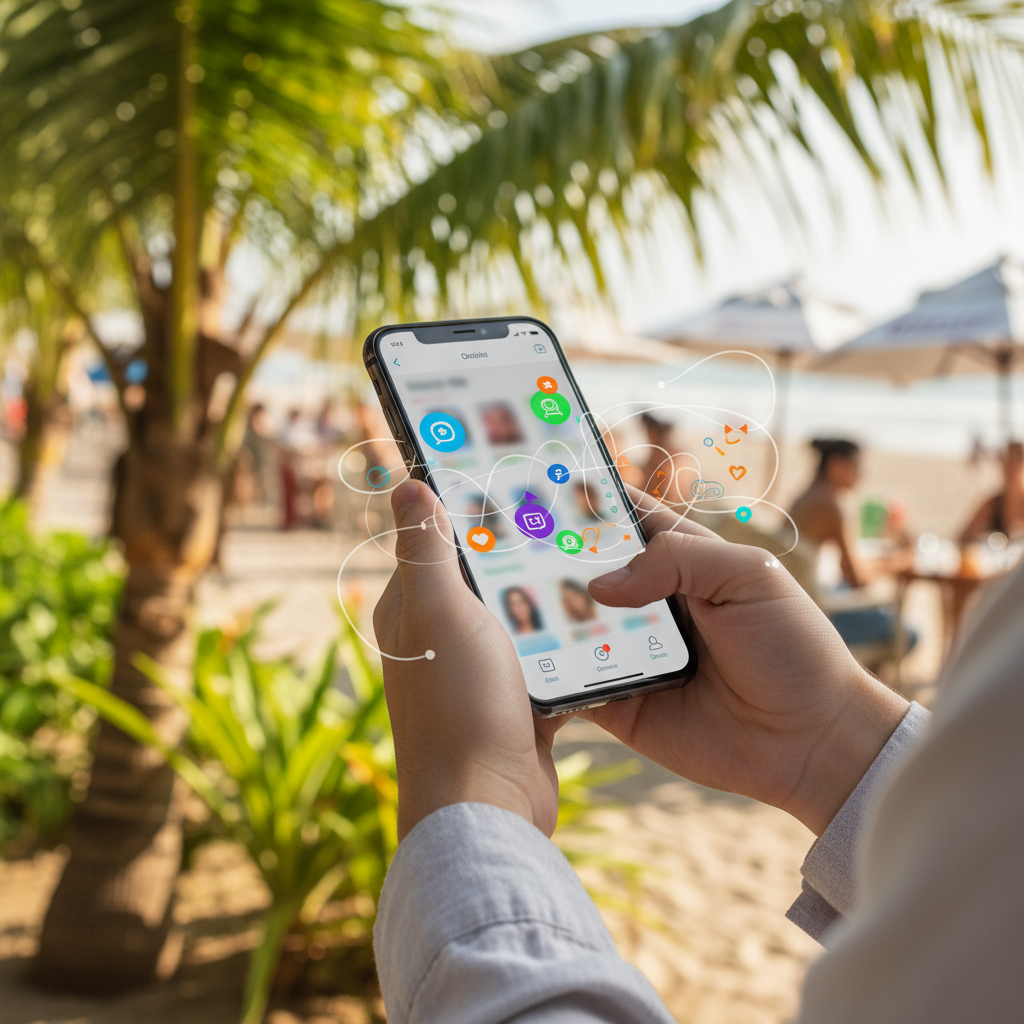
The quest for connection in the modern age has profoundly shifted, with online dating apps emerging as a primary conduit for forging romantic relationships. What was once considered a niche pursuit has evolved into a ubiquitous and highly integrated aspect of American social life. From the bustling metropolises to the quietest suburbs, millions across the United States are swiping, matching, and messaging in pursuit of companionship, love, or even just a fun date night. This digital revolution has democratized access to potential partners, broadened horizons, and reshaped the very fabric of dating culture.
However, this vast and intricate ecosystem, while offering unparalleled opportunities, also presents a unique set of challenges. The convenience and sheer volume of options can sometimes lead to confusion, frustration, and a pervasive sense of dating fatigue. Success in this digital arena isn’t merely a matter of downloading an app and creating a profile; it requires a nuanced understanding of its dynamics, a strategic approach to presentation, and an awareness of the common missteps that can derail even the most earnest attempts at connection. This article aims to provide a comprehensive overview of online dating apps, delving into the typical errors users make and offering practical, actionable advice on how to sidestep these pitfalls, ultimately enhancing your journey toward meaningful connections.
The Evolution and Landscape of Online Dating in the US
Online dating has come a long way since the days of dial-up internet and rudimentary chat rooms. Its inception can be traced back to the mid-1990s, with pioneers like Match.com laying the groundwork. The early 2000s saw a surge in popularity with sites catering to various demographics and interests. However, the true game-changer arrived with the smartphone era and the advent of mobile dating apps. Tinder, launched in 2012, revolutionized the industry with its now-iconic swipe-based interface, making dating more accessible, immediate, and, for better or worse, gamified.
Today, the landscape is incredibly diverse. Major players like Bumble, Hinge, OkCupid, and Plenty of Fish coexist with a multitude of niche apps designed for specific communities, interests, or demographics—think Christian Mingle for faith-based relationships, Jdate for the Jewish community, or Feeld for ethically non-monogamous connections. This proliferation means that users have an unprecedented array of choices, allowing them to tailor their dating experience to their precise preferences. The stigma once associated with online dating has largely dissipated, replaced by an acceptance that it is a legitimate and often effective way to meet people. Surveys consistently show that a significant percentage of relationships and marriages in the US now begin online, underscoring its profound impact on societal norms and partnership formation.
Understanding this expansive and evolving environment is the first step toward navigating it successfully. Each app has its own culture, user base, and matching algorithm, and recognizing these distinctions can help users choose platforms that best align with their goals and personality.
Common Mistake #1: The Ineffective Profile – Misrepresentation and Lack of Authenticity
Your online dating profile is your digital first impression, and often, it’s the only chance you get to pique someone’s interest. Yet, many users inadvertently sabotage their efforts through profiles that are either misleading, poorly constructed, or utterly devoid of genuine personality. This is arguably the most fundamental and pervasive mistake.
Misleading Photos and Outdated Information
One of the gravest errors is using outdated or heavily filtered photos. While the desire to present one’s best self is understandable, a photo from five years and twenty pounds ago, or one so heavily edited it barely resembles you, sets up a date for disappointment before it even begins. Similarly, being dishonest about age, height, job, or relationship intentions creates a foundation of distrust. The goal isn’t just to get a match; it’s to get a match with someone who is genuinely interested in the real you.
Generic or Empty Bios
Another common misstep is writing a bio that says nothing. Phrases like “I love to laugh,” “I enjoy good food,” or “looking for someone honest” are so generic they become meaningless. They offer no insight into your unique personality, interests, or what makes you tick. A blank bio or one filled with clichés is a missed opportunity to stand out in a crowded digital space. Potential matches are looking for hooks, conversation starters, and glimpses of your true self.
How to Avoid It: Cultivate Authenticity and Specificity
Be Honest and Current with Photos: Use recent, clear, and well-lit photos that genuinely represent you. Include a variety: a good headshot, a full-body shot, and photos that show you engaged in hobbies or with friends (but make sure you are easily identifiable). Avoid group photos where it’s hard to tell who you are, or photos taken in dimly lit bathrooms. Aim for 3-5 high-quality images.
Craft a Specific and Engaging Bio: Instead of generic statements, be specific. What kind of humor do you enjoy? What specific foods or cuisines do you love? What makes you laugh? Share a unique hobby, a quirky interest, a favorite travel destination, or an aspiration. For example, instead of “I love to travel,” try “My last adventure was backpacking through Patagonia, and next I’m hoping to explore the national parks of the Pacific Northwest.” Use prompts provided by the app to your advantage, giving thoughtful and original answers. Inject humor, wit, and vulnerability where appropriate. The goal is to give potential matches a clear sense of who you are and what a conversation with you might be like.
Proofread: Simple as it sounds, grammatical errors and typos can inadvertently convey a lack of attention to detail or effort. Always proofread your profile before making it public.
Common Mistake #2: The Superficial Swipe – Misunderstanding Intent and Compatibility
The “swipe” mechanism, while efficient, has inadvertently fostered a culture of superficiality. Users often make decisions based solely on a quick glance at profile pictures, overlooking the deeper information that could indicate true compatibility. This leads to an abundance of matches that fizzle out quickly, or worse, dates that feel like a waste of time.
Judging a Book by its Cover (Literally)
The primary error here is neglecting to read the profile text before swiping. Many users confess to swiping left or right purely based on aesthetics, only to later realize they have nothing in common with their match, or that the person’s stated intentions clearly don’t align with their own. This wastes time for both parties and contributes to dating burnout.
Lack of Clarity on Personal Intentions
Another related mistake is a lack of self-awareness regarding one’s own dating goals. Are you looking for a long-term partner, a casual hookup, or something in between? If you’re unclear, you’ll likely attract matches who are also unclear or whose intentions conflict with yours, leading to frustration.
How to Avoid It: Be Deliberate and Self-Reflective
Read Profiles Thoroughly: Before you swipe, take a moment to read the person’s bio and look at all their photos. Does their personality shine through? Do their interests align with yours? Do they mention anything that’s a deal-breaker or a green flag? This small investment of time upfront can save you countless hours down the line. Look for clues about their values, sense of humor, and lifestyle.
Clarify Your Intentions: Spend time reflecting on what you’re genuinely looking for. Be honest with yourself. Once you know, state it clearly (and politely) in your profile or early in conversations. For instance, if you’re looking for a serious relationship, you might state “seeking a genuine connection for a long-term relationship” or “ready to build something meaningful.” If you’re open to casual dating, that’s fine too, but communicate it transparently.
Prioritize Compatibility over Perfection: No one is perfect. Instead of looking for a faultless individual, focus on core compatibility—shared values, complementary personalities, similar life goals, and a mutual sense of respect. A perfectly curated photo doesn’t guarantee a great conversation or a lasting bond.
Common Mistake #3: Poor Communication and Messaging Etiquette
Once a match is made, the conversation begins, and this is where many potential connections falter. Poor communication, whether through generic openers, ghosting, or an inability to move past small talk, can quickly extinguish any nascent spark.
The Generic Opener and Lack of Effort
Messages like “Hey,” “How are you?” or “Sup?” are the death knell of online dating conversations. They convey a lack of effort, originality, and genuine interest. In a sea of matches, these messages are easily ignored because they give the recipient nothing to respond to and offer no insight into the sender’s personality.
Over-Texting vs. Under-Texting
Finding the right balance in messaging volume and timing is crucial. Some users make the mistake of over-texting, sending multiple messages without a response, or engaging in endless back-and-forth without suggesting a meeting. Others under-text, responding days later or keeping conversations so brief that they never gain momentum. Both extremes can be perceived negatively.
Ghosting and Lack of Closure
While not exclusive to online dating, ghosting—abruptly ceasing all communication without explanation—is incredibly prevalent and damaging in this sphere. It leaves the other person confused, hurt, and questioning themselves. While you don’t owe everyone a detailed explanation, a brief, polite message can make a significant difference.
How to Avoid It: Engage Thoughtfully and Be Respectful
Craft Personalized Openers: Refer to something specific in their profile. “I noticed you love hiking in the Rockies – any favorite trails you’d recommend?” or “Your bio mentioned a passion for vintage vinyl; what’s the most prized record in your collection?” This shows you’ve read their profile and offers an easy jumping-off point for conversation.
Maintain a Healthy Cadence: Aim for a natural flow. Respond within a reasonable timeframe (a few hours to a day) and send messages of similar length. If the conversation is flowing well after a few exchanges, suggest moving it offline relatively quickly. The goal of messaging is to establish enough rapport to warrant an in-person meeting, not to become pen pals. A general rule of thumb is to aim for an in-person meeting within a week or two of consistent messaging, once you both feel comfortable.
Be Clear and Kind, Even When Disengaging: If you’re not interested, a simple “It was nice chatting, but I don’t think we’re a match. Wishing you the best!” is far more respectful than ghosting. It provides closure and allows both parties to move on without lingering questions.
Common Mistake #4: Becoming Too Invested Too Soon, or Not Invested Enough
Online dating often creates a paradox: users can become overly invested in potential matches before even meeting, or conversely, approach every interaction with such detachment that genuine connection becomes impossible.
Building Fantasies Before Reality
A common error is to project an idealized version of a person based on their profile and a few messages. We fill in the blanks with our hopes and desires, creating a fantasy relationship before ever having a real conversation. When the actual person doesn’t match this fabricated image, disappointment is inevitable, leading to a quick dismissal even if they might have been a good fit otherwise.
The Paradox of Choice and Fear of Missing Out (FOMO)
With an abundance of options, some users fall into the trap of endlessly seeking the “perfect” match, always believing someone better is just a swipe away. This “grass is greener” mentality prevents them from investing fully in promising connections and can lead to analysis paralysis, where no one ever quite measures up.
Emotional Detachment or Cynicism
On the other end of the spectrum, some users, perhaps after repeated negative experiences, approach online dating with extreme cynicism or emotional detachment. This protective mechanism, while understandable, can manifest as aloofness, disinterest, or an unwillingness to be vulnerable, effectively pushing away potential partners.
How to Avoid It: Practice Patience and Mindful Engagement
Manage Expectations: Remind yourself that a profile is a curated snapshot, not a complete person. Messaging is a preliminary screen, not a commitment. Hold off on building elaborate fantasies until you’ve spent actual time with someone and gotten to know them in person. Focus on assessing compatibility in real-time, not in your imagination.
Be Present and Give Opportunities: When you’re engaging with someone, be truly present in the conversation. If a match seems promising, give them a fair chance. Don’t be too quick to dismiss someone for minor perceived flaws that might be endearing quirks in person. Invest in getting to know a few people well, rather than superficially interacting with dozens.
Take Breaks When Needed: If you find yourself becoming cynical, overwhelmed, or experiencing FOMO, it’s perfectly okay to take a break from the apps. Recharge, refocus on your own well-being, and return when you feel refreshed and genuinely open to connection. Quality over quantity applies to your mental state as well.
Common Mistake #5: Neglecting Safety and Personal Boundaries
While online dating has become mainstream, it still carries inherent risks. Neglecting personal safety and failing to establish clear boundaries can lead to uncomfortable, or even dangerous, situations. This is a critical area where vigilance is paramount.
Sharing Too Much Personal Information Too Soon
A common error is to reveal sensitive personal details—like your home address, workplace, or full name (before feeling comfortable)—to someone you’ve only just started chatting with. While trust is essential, it must be earned over time. Over-sharing can make you vulnerable to scams, harassment, or worse.
Ignoring Red Flags and Intuition
Users often overlook subtle (or sometimes overt) red flags in profiles or conversations, driven by a desire to find a connection. These might include inconsistent stories, overly intense declarations of affection early on (love bombing), a refusal to meet in public, or pressuring behavior. Dismissing your gut feeling for the sake of potential romance is a significant mistake.
Failing to Vet and Inform Others About Dates
Many individuals go on first dates without telling a friend or family member about their plans. This oversight leaves them vulnerable if something goes wrong, as no one knows where they are or who they’re with.
How to Avoid It: Prioritize Safety and Set Clear Boundaries
Keep Personal Information Private Initially: Do not share your phone number, social media handles, workplace, or home address until you have met the person, feel comfortable, and trust them. Use the in-app messaging feature until you are ready to move off the platform.
Trust Your Gut and Be Vigilant: Pay attention to any inconsistencies, evasive answers, or uncomfortable feelings. If something feels off, it probably is. Don’t be afraid to unmatch or block someone if they make you feel unsafe or uncomfortable. Research potential dates: a quick search on public platforms can sometimes reveal information. Consider video calls before meeting in person to get a better sense of the person and confirm their identity.
Meet in Public and Inform Someone: Always arrange first dates in well-lit, public places where there are other people around. Inform a trusted friend or family member of your date’s name, where you’re going, and when you expect to be back. Consider sharing your live location with them. Arrange your own transportation to and from the date, rather than relying on your date for a ride, to maintain independence.
Set and Communicate Boundaries: Understand your comfort levels regarding physical touch, conversation topics, and alcohol consumption. Don’t feel pressured to do anything you’re uncomfortable with. A respectful partner will honor your boundaries.
Common Mistake #6: Allowing Digital Disappointments to Define Self-Worth
The highly curated and often rejection-filled environment of online dating can take a significant toll on one’s self-esteem. It’s easy to internalize the silence, the ghosting, or the lack of matches as a reflection of personal inadequacy, which can lead to a negative feedback loop.
Internalizing Rejection
When messages go unanswered, or a promising conversation suddenly stops, it’s common for users to immediately assume they are the problem. “Am I not attractive enough? Is my profile boring? Am I fundamentally unlikable?” These questions, left unchecked, can erode confidence and make future dating experiences even more daunting.
Comparing Yourself to Others
Scrolling through countless profiles of seemingly perfect people can trigger feelings of inadequacy. The carefully selected photos and highlight-reel bios can create an illusion that everyone else is living a more exciting life or is more effortlessly attractive, leading to unfavorable comparisons.
Becoming Overly Focused on the Outcome
Placing all your hopes and emotional investment into finding “the one” through dating apps can lead to immense pressure and disappointment when it doesn’t happen quickly or seamlessly. This intense focus on the outcome can strip the joy from the process and make every unsuccessful interaction feel like a failure.
How to Avoid It: Cultivate Resilience and Self-Compassion
Separate Outcome from Self-Worth: Understand that rejection in online dating is often not personal. It can be due to timing, chemistry (or lack thereof), or simply that someone is looking for something different. It is rarely a reflection of your inherent worth or attractiveness. Remind yourself that you are worthy of love and connection, regardless of your app success rate.
Focus on Your Own Growth: Instead of obsessing over matches, focus on continually improving your profile, refining your communication skills, and engaging in activities that bring you joy and boost your confidence. A fulfilling life outside of dating apps makes you a more interesting and resilient person within them.
Practice Self-Compassion: Be as kind to yourself as you would be to a friend going through a tough dating experience. Acknowledge that online dating can be challenging and emotionally taxing. Celebrate small victories, learn from setbacks without self-criticism, and remember that dating is just one aspect of a rich and varied life. Engage in self-care activities that reinforce your sense of value and well-being.
Take a Broader View: Remember that online dating is a tool, not the sole determinant of your romantic future. It’s one of many avenues for meeting people. Cultivate friendships, pursue hobbies, and engage in social activities in the real world. A balanced approach can alleviate the pressure and emotional weight placed solely on digital interactions.
Considerations Finais
Navigating the complex world of online dating apps in the United States requires more than just a smartphone and a profile. It demands strategic thinking, genuine self-representation, thoughtful communication, a strong sense of personal safety, and robust emotional resilience. By recognizing and actively avoiding the common pitfalls—from creating an unauthentic profile to allowing digital disappointments to define your self-worth—users can significantly enhance their experiences.
The goal isn’t just to accumulate matches, but to foster genuine connections that can potentially blossom into meaningful relationships. Approach online dating with a clear mind, an open heart, and a commitment to both honesty and safety. Remember that while technology provides the platform, true connection still relies on the human elements of respect, authenticity, and effort. With these considerations in mind, your journey through the digital dating landscape can be a rewarding and ultimately successful one.


0 Comments