Effective Dating Apps: A Comparative Analysis of the Modern Dating Landscape
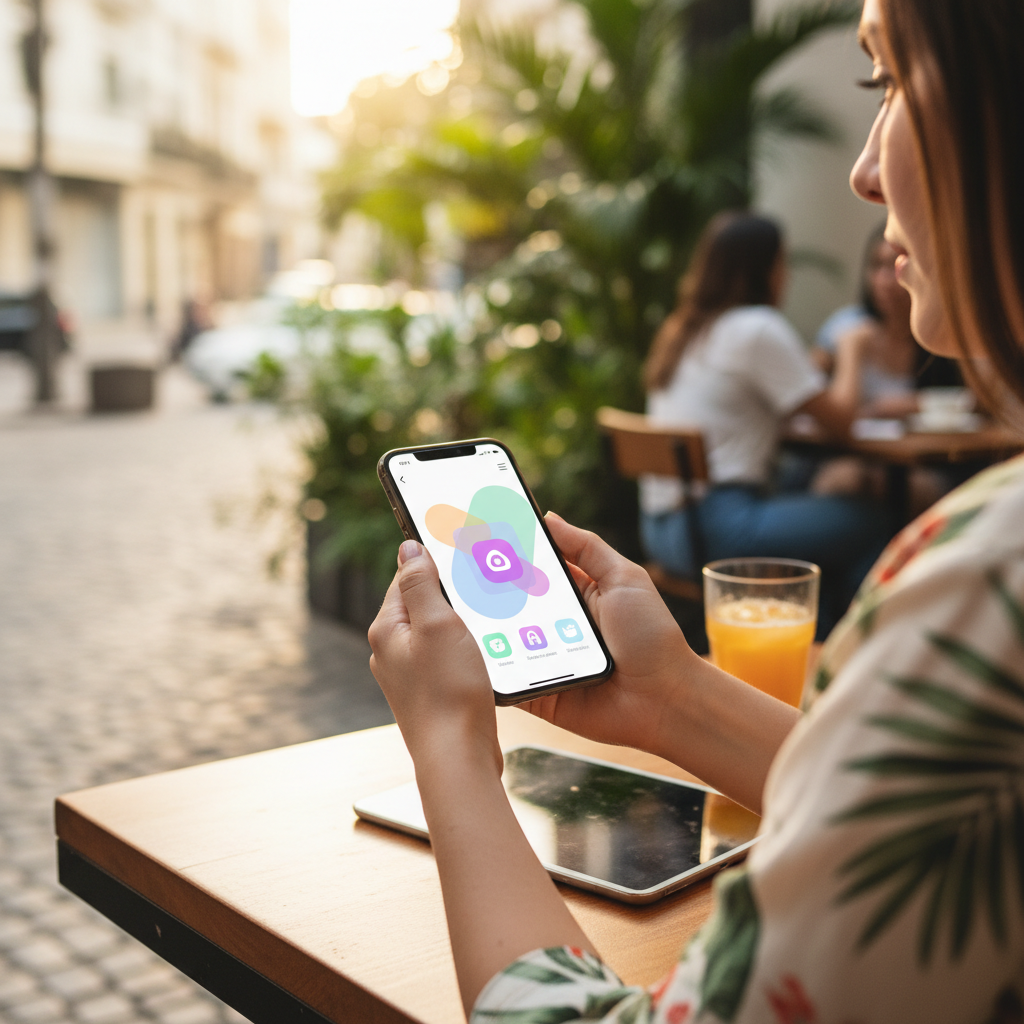
The quest for connection in the digital age has profoundly reshaped how individuals seek romantic partnerships. Dating apps, once a niche curiosity, have burgeoned into a ubiquitous and often indispensable tool for millions across the United States. This digital transformation has not only expanded dating pools but also introduced a complex tapestry of platforms, each vying for attention and offering distinct user experiences. Understanding this evolving landscape, from emerging trends to critical data points, is essential for anyone navigating the modern dating scene.
Gone are the days when online dating carried a social stigma. Today, it’s a primary method for meeting new people, with statistics consistently showing a significant percentage of relationships, and even marriages, originating online. However, the sheer volume of available applications can be daunting. From broad-appeal giants to hyper-specific niche platforms, the choice can significantly impact one’s dating journey. This analysis aims to provide a comprehensive overview, dissecting the efficacy, features, and user demographics of leading dating apps, alongside a look at the prevailing trends that are shaping their future.
The Evolution of Digital Romance: From Desktop to Mobile Dominance
The journey of online dating began in the mid-1990s with rudimentary websites that required extensive profiles and desktop access. Services like Match.com pioneered the concept of algorithmic matching based on detailed questionnaires. This era, while foundational, was characterized by a more formal and deliberate approach to finding a partner.
The advent of smartphones revolutionized this paradigm. Mobile apps brought dating to our fingertips, making it instant, accessible, and often gamified. Tinder, launched in 2012, epitomized this shift with its now-iconic swipe-based interface, prioritizing immediate visual attraction and proximity. This innovation dramatically lowered the barrier to entry, transforming online dating from a specialized activity into a casual, everyday interaction. The subsequent explosion of apps, each iterating on or diverging from Tinder’s model, has led to the diverse ecosystem we see today.
Current trends indicate a move beyond mere swiping. Users are increasingly seeking more authentic connections, comprehensive profile information, and features that foster deeper conversations. The initial superficiality of early mobile apps is being challenged by platforms that encourage greater self-expression and compatibility insights, reflecting a maturation in user expectations and technological capabilities. The integration of AI, video features, and more robust privacy controls are also becoming pivotal in how these platforms operate and evolve.
Key Players in the Dating App Arena: A Comparative Overview
The dating app market is dominated by a few major players, each with a distinct approach and user base. Understanding their core philosophies is crucial for choosing the right platform.
Tinder: The Ubiquitous Swiping Machine
Tinder remains arguably the most recognizable dating app globally, synonymous with the “swipe right” culture. Its strength lies in its massive user base and geographical reach. It’s often the go-to for casual dating, short-term relationships, or simply exploring options. However, its reputation for superficiality, driven by its photo-centric interface, is a common critique. Despite this, Tinder has introduced features like more extensive profiles, “Super Likes,” and paid tiers (Tinder Plus, Gold, Platinum) to enhance the user experience and encourage more serious engagement. Demographic data often shows a younger user base, particularly those under 30, though its broad appeal means users of all ages can be found.
Bumble: Empowering Women, Fostering Connections
Bumble distinguished itself by putting women in the driver’s seat. In heterosexual matches, only women can initiate the first conversation, and they have a 24-hour window to do so before the match expires. This feature was designed to reduce unsolicited messages and foster a more respectful environment. Bumble also expanded beyond dating with “Bumble BFF” for friendships and “Bumble Bizz” for professional networking, indicating a broader mission to connect people in various facets of life. Its user base tends to be slightly older than Tinder’s, and it’s often perceived as a platform for more serious relationship seekers, though casual dating is also prevalent.
Hinge: Designed to Be Deleted
Hinge explicitly markets itself as “the dating app designed to be deleted,” signaling its focus on helping users find meaningful, long-term relationships. It moved away from the endless swiping model, instead prompting users to interact with specific parts of a person’s profile (photos, prompts, or “dealbreakers”). Its detailed profile prompts encourage users to share more about their personality, values, and interests, leading to more informed connections. Hinge utilizes a Nobel Prize-winning algorithm (Gale-Shapley algorithm, also used by platforms for matching medical students to residency programs) to suggest compatible matches, and it emphasizes “most compatible” recommendations. Anecdotal and statistical evidence often points to Hinge having a higher success rate for committed relationships among its users, who typically skew towards a slightly more mature and relationship-oriented demographic.
Match.com: The Enduring Veteran
Match.com, one of the original online dating sites, continues to hold significant sway, particularly among a slightly older demographic and those explicitly seeking long-term relationships. Its strength lies in its comprehensive profiles, advanced search filters, and a tried-and-true algorithm that has been refined over decades. While it has adapted to the mobile-first world with its app, it retains a more traditional approach than its swipe-centric counterparts. Match offers both free and subscription-based models, with premium features providing access to more communication tools and visibility. It often boasts success stories of long-term partnerships and marriages, leveraging its extensive experience in the field.
OkCupid: Data-Driven Compatibility
OkCupid stands out for its emphasis on personality and compatibility, driven by a vast array of questions that users can answer to varying degrees. These answers feed into a detailed matching algorithm that calculates compatibility percentages with other users. This platform appeals to those who prioritize intellectual connection and shared values over superficial attraction. It offers a unique blend of traditional profile browsing and modern swiping mechanics, allowing users to express themselves thoroughly. OkCupid has a reputation for attracting a more progressive and open-minded user base, often catering to niche interests and a diverse range of sexual orientations and gender identities.
Niche and Specialized Apps: Finding Your Tribe
Beyond the mainstream, a multitude of niche dating apps cater to specific demographics, interests, or lifestyles. Apps like Christian Mingle or JDate serve religious communities, while BlackPeopleMeet and OurTime target specific ethnic or age groups. Platforms like The League aim for ambitious professionals, while apps like HER and Grindr cater to LGBTQ+ communities. The growth of these specialized apps reflects a broader trend: as the general dating pool becomes overwhelming, users are seeking more tailored experiences where they are likely to find others with highly specific shared values or backgrounds. These apps often boast higher success rates within their target demographics because they address a very particular need, reducing the noise and increasing the likelihood of a relevant match.
Emerging Trends and the Future of Dating Apps
The dating app landscape is far from static. Several key trends are shaping its present and future, reflecting evolving user demands and technological advancements.
Emphasis on Authenticity and Deeper Connections
A growing dissatisfaction with superficial swiping has led to a demand for more authentic interactions. Users are tired of endless profiles and seek genuine connections. Apps are responding by implementing features like video profiles, more extensive prompts, and personality quizzes to encourage users to showcase their true selves. The focus is shifting from volume of matches to quality of connections, with many users prioritizing meaningful conversations over casual encounters.
Video Integration and Virtual Dates
The COVID-19 pandemic significantly accelerated the adoption of video features within dating apps. Virtual dates became a necessity, and now they are a preferred first step for many, offering a low-pressure way to gauge compatibility before meeting in person. Apps are integrating native video calling features, and some are even experimenting with short video clips within profiles, allowing users to get a better sense of someone’s personality and mannerisms.
Enhanced Safety and Privacy Features
User safety and privacy are paramount concerns. Dating apps are continually investing in features to protect their users, including photo verification, AI-powered moderation to detect inappropriate content, and improved reporting mechanisms. Features like “incognito mode,” location privacy settings, and even background checks (where legally permissible and ethically sound) are becoming more common, addressing concerns about catfishing, harassment, and personal security.
AI and Advanced Algorithms for Better Matching
Artificial intelligence is playing an increasingly sophisticated role in matchmaking. Beyond basic preferences, AI algorithms are now analyzing user behavior, conversational patterns, and even subtle cues to suggest more compatible matches. This can include learning what kind of profiles a user engages with most, identifying common interests that might not be explicitly stated, and even predicting potential chemistry. The goal is to move beyond simple demographic filters to truly understand what makes two people click.
Micro-Communities and Niche Markets
As mentioned earlier, the proliferation of niche apps is a significant trend. This extends beyond religious or ethnic groups to interests like gaming, fitness, pet ownership, specific political affiliations, or even dietary preferences. These micro-communities offer a more curated experience, increasing the likelihood of finding someone who genuinely shares a core aspect of one’s identity or lifestyle. This fragmentation of the market suggests that while large generalist apps will persist, specialized platforms will continue to grow in popularity for those seeking highly specific connections.
Subscription Models and Premium Features
Most dating apps operate on a freemium model, offering basic functionalities for free while gating advanced features behind a paywall. Premium subscriptions typically offer perks like unlimited swipes, seeing who liked your profile, “super likes,” profile boosts for increased visibility, or the ability to undo a swipe. This trend is unlikely to diminish, as it provides a sustainable business model for app developers and offers an enhanced experience for users willing to invest in their dating journey. The challenge for apps is to offer truly valuable premium features that justify the cost.
Navigating the Data: Success Rates and User Satisfaction
Quantifying the “effectiveness” of a dating app is complex. Success can be defined differently by various users – some seek marriage, others a long-term partnership, and some just a casual date or new friends. However, general trends and data points offer insights.
Studies consistently show that online dating is a primary avenue for meeting partners in the U.S. A Pew Research Center study from 2019 found that around 30% of U.S. adults had used a dating app or site, and 12% had married or been in a committed relationship with someone they met through one. More recent data suggests these numbers are even higher, with some reports indicating that over 50% of new relationships begin online.
User satisfaction varies widely. Apps like Hinge and Bumble often receive higher marks for fostering “quality” connections and leading to serious relationships, likely due to their design encouraging more thoughtful engagement. Tinder, while having a massive user base and high engagement, sometimes garners lower satisfaction for those seeking long-term commitment, though it remains highly effective for casual encounters. Match.com consistently performs well for older demographics looking for marriage. Niche apps, despite smaller user pools, often report high satisfaction rates among their target demographics due to the immediate shared context.
It’s important to remember that individual success on dating apps is highly correlated with user behavior. Those who invest time in crafting detailed profiles, engage respectfully in conversations, and maintain realistic expectations tend to report more positive experiences regardless of the platform. The “best” app is often the one that aligns most closely with an individual’s specific dating goals and preferences.
Considerações Finais
The modern dating landscape, significantly shaped by effective dating apps, is a dynamic and multifaceted ecosystem. From the instant gratification of swiping to the algorithmic precision of compatibility matching, these platforms offer unparalleled opportunities for connection. The evolution from basic profile matching to sophisticated AI-driven algorithms, coupled with a growing emphasis on authenticity, safety, and niche communities, reflects a mature industry striving to meet diverse user needs.
For individuals navigating this digital frontier, understanding the strengths and weaknesses of each platform, aligning app choice with personal dating goals, and maintaining a proactive yet realistic approach are key to success. As technology continues to advance and societal norms evolve, dating apps will undoubtedly continue to adapt, offering new ways for people to find love, companionship, and meaningful connections in the digital age.
0 Comments