Tinder vs. Bumble: Navigating the Modern Dating Landscape
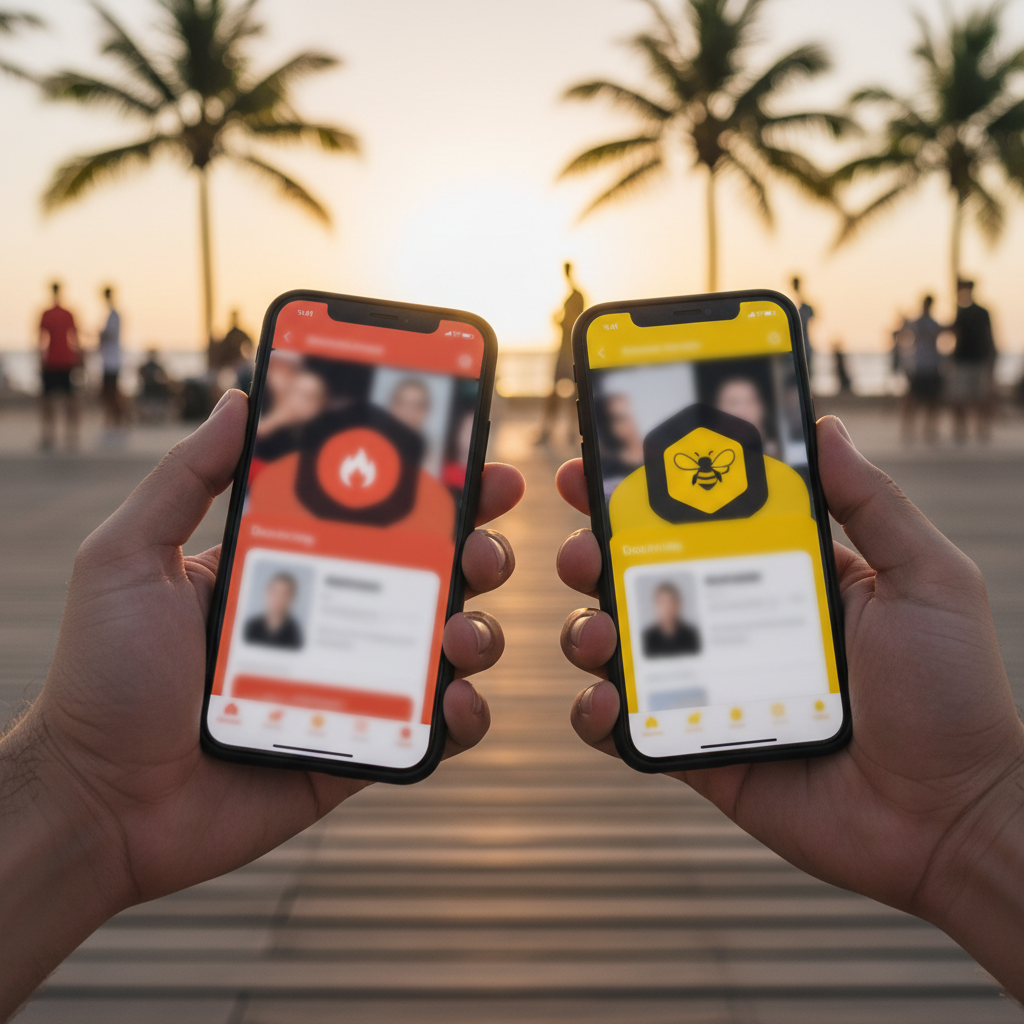
In the vast and often perplexing world of online dating, two names consistently emerge at the forefront: Tinder and Bumble. These platforms have revolutionized the way people meet, form connections, and pursue relationships, becoming household names across the United States and beyond. Yet, despite their shared purpose of connecting singles, they operate with distinct philosophies, user experiences, and target demographics. For anyone venturing into or returning to the digital dating scene, understanding the nuanced differences between Tinder and Bumble is crucial for finding the app that best aligns with their personal goals and preferences.
This comprehensive comparison delves deep into the core functionalities, unique selling points, and potential drawbacks of each platform. We’ll explore everything from their initial setup and matching algorithms to their communication protocols and premium features. Our aim is to equip you with the insights needed to make an informed decision, ensuring your journey through online dating is as efficient, enjoyable, and ultimately successful as possible.
Whether you’re seeking a casual encounter, a serious long-term partner, or simply a new friendship, both Tinder and Bumble offer pathways to connection. However, the path each app lays out is fundamentally different. Let’s embark on this comparative analysis to uncover which app is truly right for you.
The Genesis and Core Philosophies: Understanding Their Roots
To truly grasp the distinctions between Tinder and Bumble, it’s helpful to understand their origins and the guiding principles that shape their user experience. Their foundational designs reflect different approaches to solving the challenge of online connection.
Tinder: The Pioneer of Swiping
Launched in 2012, Tinder burst onto the scene with a revolutionary concept: the swipe. This simple, intuitive gesture – swipe right for “like,” swipe left for “nope” – transformed online dating from a cumbersome profile-reading exercise into a fast-paced, gamified experience. Tinder’s initial success was largely driven by its accessibility and the sheer volume of users it attracted, particularly among younger demographics. Its core philosophy is one of abundance and efficiency. It aims to provide users with a wide array of potential matches, prioritizing speed and volume in the initial connection phase. The focus is on the visual appeal and immediate gut reaction, making it incredibly effective for rapid screening and initiating conversations based on mutual interest.
From its inception, Tinder positioned itself as a broad-appeal app, catering to a wide spectrum of dating intentions, from casual hookups to serious relationships. This broad appeal has contributed to its massive user base, but also to its reputation as a platform where intentions can sometimes be ambiguous. The power dynamics often favor the recipient of the “like,” as the sender takes the initial risk of expressing interest.
Bumble: The Feminist-Inspired Alternative
Bumble, founded in 2014 by Whitney Wolfe Herd, a former Tinder executive, emerged as a direct response to what she perceived as issues within the existing online dating landscape, particularly regarding gender dynamics. Bumble’s most distinctive feature, and its core philosophy, is that women make the first move. In heterosexual matches, only women can initiate the conversation once a match is made, and they have a 24-hour window to do so before the match expires. This innovative approach was designed to empower women, reduce unsolicited messages, and foster a more respectful and intentional communication environment.
Bumble’s mission extends beyond just romantic connections, offering modes for platonic friendships (Bumble BFF) and professional networking (Bumble Bizz). This holistic approach underscores its commitment to fostering meaningful connections of all types. The app positions itself as a platform for respectful interactions, emphasizing quality over quantity and encouraging more thoughtful engagement from both parties.
User Interface and Experience: Navigating the Apps
While both apps utilize the now-ubiquitous swipe mechanism, their overall user interfaces and the experience they offer diverge significantly, influencing how users interact with potential matches.
Tinder’s Streamlined Simplicity
Tinder’s interface is characterized by its minimalist design and intuitive functionality. The primary screen is dominated by profiles, allowing users to quickly swipe left or right. Profiles typically feature a series of photos, a short bio, and sometimes linked Instagram or Spotify accounts. The focus is squarely on visual appeal and quick decision-making. The app’s simplicity is one of its greatest strengths, making it incredibly easy to pick up and use, even for those new to online dating.
Conversation initiation on Tinder is straightforward: once a mutual like occurs, either party can send the first message. This open-ended approach can lead to a flurry of messages, but also means that conversation quality can vary widely. The app offers various icons for Super Likes, Rewinds (for undoing a swipe), and Boosts, which are generally well-integrated and don’t overwhelm the user.
Bumble’s Thoughtful Design and Features
Bumble’s interface, while also swipe-based, feels more curated and intentional. Profiles often provide more prompts for users to answer, such as “My ideal Sunday” or “I’m looking for,” encouraging richer descriptions beyond just photos. This encourages users to invest more effort in their profiles, potentially leading to more meaningful matches. The profile layout itself feels slightly more organized, with clear sections for photos, bio, and prompts.
The “women make the first move” rule is central to Bumble’s user experience. Once a match is made, a countdown timer appears, creating a sense of urgency for the woman to initiate contact. This mechanism not only empowers women but also filters out potentially less engaged matches. If a woman doesn’t message within 24 hours, the match expires. Men can extend one match per day for an additional 24 hours, signaling stronger interest. This unique dynamic shapes the conversation flow and can lead to more proactive and engaged initial interactions.
Matching Algorithms and Success Rates: How Connections Are Forged
Beneath the surface of swiping, both Tinder and Bumble employ sophisticated algorithms to present users with potential matches. While the exact workings are proprietary, their approaches subtly differ, influencing the types of connections made.
Tinder’s Elo Score and Proximity Bias
Historically, Tinder used an “Elo score” system, akin to chess rankings, to determine a user’s desirability based on how many people swiped right on them and who those people were. While Tinder claims to have moved away from a strict Elo score, its algorithm still prioritizes showing you profiles of people it deems similarly desirable. It also heavily favors proximity, showing you users who are geographically close. This makes it highly effective for meeting people in your immediate vicinity, whether for casual dates or spontaneous meetups.
Tinder’s algorithm also learns from your swiping patterns. If you consistently swipe left on certain types of profiles, it will gradually show you fewer of those. Conversely, if you swipe right frequently on a particular demographic, it will present more of them. The sheer volume of users on Tinder means the algorithm has a vast pool of data to draw from, leading to a constant stream of new profiles, though not always perfectly tailored to your preferences.
Bumble’s Intentionality and Filtering Options
Bumble’s algorithm also takes into account proximity and user preferences, but it places a greater emphasis on recent activity and the intentionality of interactions. Active users are generally prioritized. While it doesn’t explicitly publicize a “desirability” score, it likely incorporates factors similar to Tinder to present relevant matches. However, Bumble tends to offer more robust filtering options even for free users, allowing them to specify preferences for height, political leaning, religion, and other lifestyle choices before swiping. This allows users to be more discerning from the outset.
The 24-hour window for women to initiate conversation also plays a crucial role in Bumble’s “success rate.” It encourages more decisive action and can lead to higher quality initial interactions, as both parties have already signaled mutual interest and the woman has taken the initiative. This tends to foster connections that are more likely to progress beyond a simple match.
Communication Dynamics: Who Makes the First Move?
The starkest difference between Tinder and Bumble lies in their communication protocols, fundamentally altering the dynamics of interaction and potentially influencing the types of conversations that ensue.
Tinder: An Open Field
On Tinder, once a mutual match is established, either party is free to send the first message. This open-ended approach offers flexibility and spontaneity. It means that if you’re a man, you can immediately send a message to a woman you’ve matched with, and vice versa. This can lead to quick conversation starters, but it also means that women, in particular, often receive a high volume of uninspired or even inappropriate opening lines.
The lack of a timer means there’s no inherent pressure to initiate a conversation immediately, which can lead to matches sitting idle for days or weeks. While this freedom allows for varied approaches, it also means that the onus is on individual users to craft compelling opening lines and keep conversations flowing, often without any structural prompts from the app itself.
Bumble: Empowering the Woman
Bumble’s “women make the first move” rule is a game-changer. For heterosexual matches, only the woman can initiate contact within 24 hours. If she doesn’t, the match disappears. This creates a more focused and intentional environment for communication. It reduces the influx of generic “hey” messages for women and ensures that when a conversation does begin, it’s because the woman has actively decided to engage.
For men, this means exercising patience and trusting that if a woman is interested, she will message. It shifts the power dynamic, encouraging men to craft more thoughtful profiles to entice women to make that first move. The 24-hour rule also acts as a natural filter, promoting active engagement and minimizing stale matches. Bumble also provides “conversation starters” and prompts within the chat interface, helping users craft more engaging opening lines if they feel stuck.
Premium Features and Monetization: What Do You Get for Your Money?
Both Tinder and Bumble offer free versions that are fully functional for basic swiping and matching. However, both also entice users with premium subscriptions that unlock additional features, aiming to enhance the user experience and potentially increase matching success.
Tinder Gold & Tinder Platinum
Tinder offers several premium tiers, primarily Tinder Gold and Tinder Platinum. Tinder Gold includes features like “See Who Likes You,” allowing you to view all the profiles that have swiped right on you, giving you an advantage in choosing matches. It also offers “Unlimited Likes,” “Five Super Likes per day,” and “One Boost per month” (which makes your profile more visible for 30 minutes). Additionally, it allows you to “Rewind” your last swipe if you made a mistake and hide ads.
Tinder Platinum builds on Gold’s features, adding “Priority Likes,” meaning your likes are seen faster by those you like. It also includes “Message Before Match,” allowing you to send a message to someone before they’ve even liked you (with a Super Like), and the ability to see the Likes you’ve sent over the past seven days. These features are designed to give users a significant edge in visibility and direct engagement, often at a substantial monthly cost.
Bumble Boost & Bumble Premium
Bumble’s premium offerings are Bumble Boost and Bumble Premium. Bumble Boost extends the 24-hour match expiration time, allows you to “Rematch” with expired connections, and provides “Unlimited Extends” (to give a match an extra 24 hours). It also grants “Five SuperSwipes per week” (Bumble’s equivalent of a Super Like) and “One Spotlight per week” (similar to a Tinder Boost).
Bumble Premium is the more comprehensive offering. It includes all Boost features, plus the ability to “See Who Likes You” (Beeline), access to “Advanced Filters” (which allows you to narrow down your search by more specific criteria), “Travel Mode” (to change your location to swipe in other cities), and “Incognito Mode” (to hide your profile from everyone except those you swipe right on). Bumble Premium also offers “Unlimited Swipes” and the option to “Backtrack” a mistaken swipe. Bumble’s premium features are generally geared towards giving users more control over their matching pool and reducing the pressure of the 24-hour timer.
Demographics and Intentions: Who Uses Each App?
While both apps have a broad user base, subtle differences in their demographics and the prevailing intentions of their users can significantly impact your experience.
Tinder: A Diverse & Broad Audience
Tinder boasts the largest user base among dating apps, making it highly diverse in terms of age, background, and intentions. Its ease of use and widespread popularity mean you’ll find people looking for everything from casual hookups and short-term flings to serious relationships and even friendships. The average age skews younger, with a significant portion of users in their 20s and early 30s, though older demographics are certainly present.
Due to its high volume and less structured communication, Tinder often has a reputation for being more geared towards casual dating and hookups. While this isn’t universally true, the sheer breadth of intentions means users need to be more upfront about what they’re seeking to avoid misunderstandings. For someone looking for a quick connection or exploring options, Tinder’s vast pool can be an advantage.
Bumble: Intentionality and Relationship-Focused
Bumble tends to attract a slightly older and often more relationship-minded demographic. While it still has a strong presence among young adults, users often report a higher proportion of individuals seeking more serious or committed relationships. The “women make the first move” dynamic naturally filters for a certain level of intentionality and respect, which can appeal to those tired of casual encounters or unwanted advances.
Bumble’s integration of BFF (for friendships) and Bizz (for networking) also signals a broader emphasis on building meaningful connections of various types. Users on Bumble are generally perceived as being more invested in their profiles and conversations, given the app’s structure that encourages thoughtful engagement. If you’re looking for a partner with whom you can build a more substantial connection, Bumble might present a more aligned environment.
Pros and Cons: A Side-by-Side Comparison
To help crystallize the choice, let’s break down the key advantages and disadvantages of each platform.
Tinder: The High-Volume Player
Pros:
- Massive User Base: Largest pool of users, increasing your chances of finding matches in almost any location.
- Geographic Reach: Excellent for meeting people in your immediate vicinity or when traveling.
- Simplicity: Easy to use and understand, making it accessible for online dating beginners.
- Diverse Intentions: Caters to a wide range of dating goals, from casual to serious (though clarity is key).
- Fast Paced: Quick matching and immediate conversation initiation possible.
Cons:
- Overwhelming Volume: The sheer number of profiles and messages can be overwhelming for some.
- Lower Quality Interactions: Can be prone to generic opening lines and ghosting due to lack of immediate pressure.
- Ambiguous Intentions: Users often have varying expectations, requiring clear communication of desires.
- Swiping Fatigue: The endless swiping can become monotonous.
- Gender Imbalance (Reported): Some report a higher male-to-female ratio in certain areas, leading to more competition.
Bumble: The Intentional Connector
Pros:
- Empowers Women: Women making the first move reduces unwanted messages and fosters more respectful interactions.
- Higher Quality Conversations: The 24-hour timer and female-led initiation often lead to more thoughtful and engaged exchanges.
- Relationship-Oriented: Tends to attract users looking for more serious and committed relationships.
- BFF and Bizz Modes: Offers avenues for platonic friendships and professional networking, expanding its utility.
- Robust Filtering: More detailed filtering options available to free users.
Cons:
- Time Pressure: The 24-hour window can be stressful for some, potentially leading to missed connections.
- Fewer Matches (Potentially): Depending on your location, the user base might be smaller than Tinder’s.
- Patience Required (for Men): Men must wait for women to initiate, which can feel passive.
- Less Spontaneous: The structure can feel less spontaneous than Tinder’s open-ended approach.
- Strict Rules: The rigid communication rules might not appeal to everyone.
Considerations for Your Choice
Choosing between Tinder and Bumble ultimately boils down to your personal dating style, intentions, and what you prioritize in an online dating experience. There’s no universal “better” app; only the one that aligns best with your specific needs.
Consider Tinder if:
- You thrive on variety and want access to the largest possible pool of singles.
- You enjoy a fast-paced, intuitive swiping experience.
- You’re open to different types of connections, from casual to serious, and are comfortable clearly communicating your intentions.
- You’re looking for spontaneity and want the freedom to message first regardless of gender.
- You live in an area with a large population where volume is key.
Consider Bumble if:
- You appreciate a more structured and respectful dating environment.
- You’re a woman who wants control over initiating conversations and reducing unwanted messages.
- You’re a man who values receiving messages from genuinely interested women.
- You’re primarily seeking more serious relationships or friendships.
- You prefer quality over sheer quantity and are willing to put more effort into your profile and initial interactions.
It’s also worth noting that many people use both apps simultaneously. This approach allows you to leverage the strengths of each platform, maximizing your chances of finding compatible connections while experiencing different dating dynamics.
Final Thoughts
Both Tinder and Bumble have undeniably shaped the landscape of modern dating in the United States, offering distinct yet effective pathways to connection. Tinder, with its vast user base and streamlined swiping, remains a powerhouse for high-volume matching and spontaneous encounters. Bumble, on the other hand, empowers women and fosters a more intentional environment, appealing to those seeking deeper connections and respectful interactions. Your optimal choice will reflect your personal preferences, goals, and the kind of dating journey you envision for yourself. Whichever app you choose, authenticity, clear communication, and a positive attitude are your best assets for navigating the digital dating world successfully.


0 Comments