Best Dating Apps: How to Choose the Right One for You
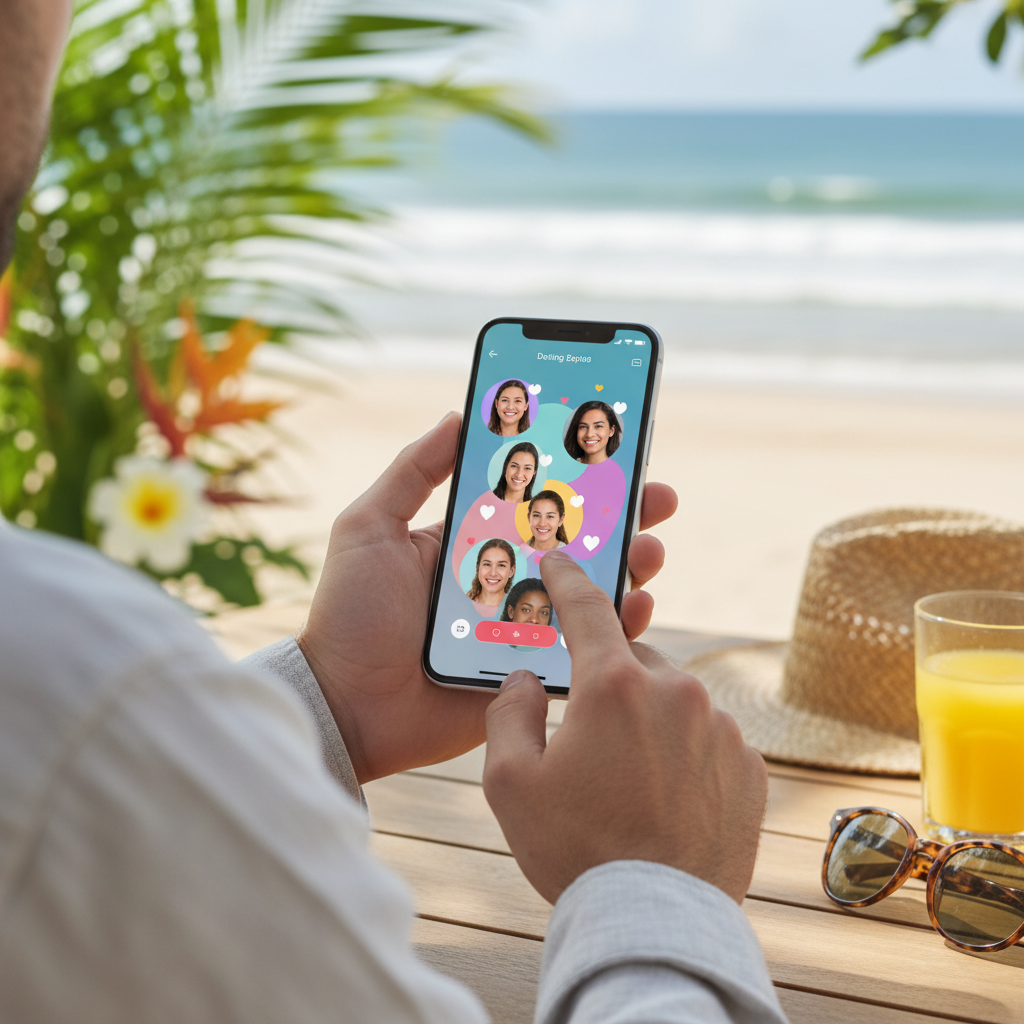
In an age increasingly defined by digital connections, the quest for romance often begins not with a chance encounter in a coffee shop, but with a swipe or a tap on a smartphone screen. Dating apps have fundamentally reshaped the landscape of modern relationships, offering a seemingly endless pool of potential partners at our fingertips. From fleeting flings to lifelong partnerships, these platforms promise to bridge the gap between solitude and companionship. However, with a dizzying array of options, each boasting unique features, algorithms, and user bases, navigating this digital dating world can feel less like a romantic adventure and more like a daunting task.
Choosing the “best” dating app is not a one-size-fits-all endeavor. What works for one person seeking a casual connection might be entirely unsuitable for another hoping to find a spouse. The ideal app for you hinges on a complex interplay of personal preferences, relationship goals, lifestyle, and even your personality. This comprehensive guide aims to demystify the process, offering a comparative analysis of some of the most popular dating apps currently dominating the American market. We will delve into their core functionalities, explore their target demographics, and weigh their respective pros and cons, empowering you to make an informed decision that aligns with your individual dating journey.
Our objective is to provide an objective, journalistic perspective, helping you understand the nuances of each platform without making unrealistic promises. By the end of this article, you should have a clearer understanding of which digital avenues are most likely to lead you to the connections you desire, making your online dating experience more efficient, enjoyable, and ultimately, more successful.
Understanding Your Dating Goals and Preferences
Before diving into the specifics of various dating apps, the most crucial first step is a frank self-assessment. What exactly are you looking for? Your answer to this fundamental question will significantly narrow down the field of suitable applications. Are you seeking a long-term, committed relationship, perhaps even marriage? Or are you more inclined towards casual dating, friendships, or even just exploring the social scene without the pressure of commitment? Your relationship goals are the compass that will guide your app selection.
Beyond the ultimate goal, consider your preferences regarding communication style, user experience, and even the gender dynamics of an app. Do you prefer to initiate conversations, or do you appreciate a platform that encourages women to make the first move? Are you comfortable with extensive profile questionnaires, or do you prefer a more streamlined, photo-centric experience? Reflect on your past dating experiences, both online and offline, to identify what aspects you enjoy and what you wish to avoid. This introspection is not merely about finding a match; it’s about finding a platform that resonates with your authentic self and your expectations for a modern relationship.
Furthermore, think about your lifestyle. Are you a busy professional with limited time, needing an app that maximizes efficiency? Are you someone who enjoys meeting new people in person quickly, or do you prefer a longer online courtship period? Your answers to these questions will significantly influence which app’s features and community best serve your needs. Without this initial clarity, you risk spending valuable time and effort on platforms that are fundamentally misaligned with your aspirations.
Popular Dating Apps: A Comparative Overview
The dating app landscape is diverse, with each platform cultivating its own niche and user base. While many share core functionalities, their underlying philosophies and community dynamics can differ significantly. Here, we’ll examine some of the most widely used apps in the United States, highlighting their key characteristics, target audiences, and distinctive features.
Tinder: The Pioneer of Swiping
Description: Launched in 2012, Tinder revolutionized online dating with its intuitive “swipe” interface, allowing users to quickly approve or reject profiles. It remains one of the most downloaded dating apps globally and in the U.S., famous for its expansive user base.
- Pros:
- Massive User Base: Unparalleled number of users, increasing the likelihood of finding local matches.
- Simplicity: Easy to use with its iconic swipe-based mechanism.
- Versatile: Caters to a wide range of interests, from casual hookups to serious relationships, though often perceived as more for the former.
- Location-Based Matching: Excellent for meeting people nearby.
- Cons:
- Superficiality: Heavily reliant on photos, which can lead to quick judgments based solely on appearance.
- High Competition: Especially for men, it can be challenging to stand out among a large number of users.
- Ghosting Prevalence: Common for conversations to fizzle out or for matches to disappear without a trace.
- Spam and Bots: Occasional encounters with fake profiles or promotional accounts.
Bumble: Empowering Women to Make the First Move
Description: Founded by a former Tinder executive, Bumble positions itself as a more respectful and empowering platform. It uniquely requires women to initiate conversations in heterosexual matches, shifting traditional dating dynamics.
- Pros:
- Female Empowerment: Reduces unsolicited messages and empowers women to control initial interactions.
- Reduced Harassment: Generally perceived as having a more respectful and less aggressive environment.
- Diverse Modes: Offers Bumble Date (for romance), Bumble BFF (for friendship), and Bumble Bizz (for networking).
- Higher Quality Conversations: The effort required to initiate often leads to more thoughtful opening lines.
- Cons:
- Time Limit for Replies: Matches expire if a woman doesn’t message within 24 hours (or if the man doesn’t reply within 24 hours), which can add pressure.
- Limited Control for Men: Men cannot initiate conversations in heterosexual pairings.
- Smaller User Base: While large, it’s generally smaller than Tinder’s, potentially limiting options in less populated areas.
- Not for Everyone: Some users, both male and female, might dislike the strict communication rules.
Hinge: Designed to Be Deleted
Description: Hinge markets itself as the app “designed to be deleted,” focusing on fostering serious relationships. It uses detailed profiles that include prompts and allows users to comment on specific photos or answers, encouraging more meaningful interactions.
- Pros:
- Focus on Deeper Connections: Promotes thoughtful engagement through prompts and comments.
- Rich Profiles: More information available than on swipe-centric apps, aiding in better compatibility assessments.
- Fewer Superficiality: Less emphasis on endless swiping, more on quality interactions.
- “Most Compatible” Feature: AI-driven recommendations based on your preferences and previous interactions.
- Cons:
- Limited Free Likes: The free version restricts the number of “likes” you can send daily.
- Smaller User Base: While growing, it’s not as ubiquitous as Tinder.
- Learning Curve: Requires more effort to craft a compelling profile than simpler apps.
- Geographic Limitations: May have fewer users in very rural areas of the U.S.
Match.com: The Veteran Matchmaker
Description: One of the pioneers in online dating, Match.com launched in 1995 and has maintained its reputation as a platform for serious daters. It uses extensive questionnaires to create detailed profiles and offers various search filters.
- Pros:
- Serious Relationship Focus: Caters primarily to individuals seeking long-term commitments.
- Mature User Base: Often attracts a slightly older demographic seeking stable relationships.
- Advanced Search Filters: Allows for highly specific searches based on numerous criteria.
- Established Reputation: Long history and proven track record of successful matches.
- Cons:
- Subscription Model: Requires a paid subscription for full functionality, which can be a barrier for some.
- Time-Consuming Profile Creation: The extensive questionnaire can be a lengthy process.
- Older Interface: While updated, it might feel less modern than newer apps.
- Less Spontaneous: The emphasis on detailed matching can sometimes make the process feel less organic.
OkCupid: Data-Driven Compatibility
Description: Known for its comprehensive personality quizzes and algorithms, OkCupid matches users based on a large number of questions covering various topics, from lifestyle to political views. It aims for deep compatibility.
- Pros:
- In-Depth Compatibility: Algorithms based on extensive questions lead to highly compatible matches.
- Inclusive: Offers a wide range of gender identities and sexual orientations.
- Free to Use (Basic): Many core features are available without a subscription.
- Engaging Profiles: Encourages users to express themselves beyond just photos.
- Cons:
- Time Investment: Answering numerous questions can be time-consuming.
- Interface Can Be Cluttered: Compared to minimalist apps, it might feel overwhelming to some.
- Quality Varies: While good for compatibility, the sheer volume of users means varying levels of engagement and seriousness.
- Paid Features for Visibility: Premium features significantly boost profile visibility.
Coffee Meets Bagel: Curated Matches
Description: Coffee Meets Bagel takes a different approach, focusing on quality over quantity. It sends a limited number of highly curated matches (“bagels”) to users daily, often with a connection through a friend-of-a-friend on Facebook.
- Pros:
- Curated Matches: Reduces endless swiping by offering a select few, high-quality prospects daily.
- Focus on Serious Relationships: Attracts users looking for more meaningful connections.
- Detailed Profiles: Encourages users to provide more information than just photos.
- Less Overwhelming: The limited number of matches can be less stressful for some users.
- Cons:
- Slow Pace: The limited daily matches mean the process can be slower.
- Smaller User Base: May have fewer users compared to the industry giants.
- Limited Options: If you don’t like your daily “bagels,” you might have to wait another day.
- Requires Patience: Not ideal for those seeking immediate gratification or a large pool of choices.
The League: Exclusivity and Ambition
Description: Positioned as an exclusive dating app for “ambitious, driven” professionals, The League requires applicants to go through an approval process. It aims to connect highly educated and career-focused individuals.
- Pros:
- High-Caliber Matches: Curated user base of professionals seeking serious relationships.
- Emphasis on Career and Education: Appeals to those who prioritize these aspects in a partner.
- Small, Curated Matches: Similar to CMB, it offers a limited number of daily prospects.
- Networking Opportunities: Can also serve as a professional networking tool alongside dating.
- Cons:
- Exclusivity Barrier: The application process and waiting list can be frustrating.
- High Price Point: Membership is significantly more expensive than other premium dating services.
- Limited User Base: Due to its exclusivity, the number of users is much smaller.
- Potential for Elitism: The emphasis on status might not appeal to everyone.
Niche Dating Apps: Tailoring Your Search
Beyond the mainstream platforms, a burgeoning ecosystem of niche dating apps caters to specific communities, interests, or lifestyles. These apps can be incredibly effective for individuals with very particular preferences, as they filter out a large percentage of incompatible users right from the start. If you have a strong cultural identity, religious affiliation, hobby, or specific relationship dynamic you’re seeking, a niche app might offer a more focused and fruitful search.
For example, apps like Christian Mingle or JDate serve individuals seeking partners within their respective religious faiths, ensuring shared values are a foundation for any potential relationship. FarmersOnly.com connects rural dwellers, understanding the unique challenges and lifestyles that come with agricultural living. HER is a popular app specifically designed for queer women, offering a safe and inclusive space. There are apps for pet lovers, fitness enthusiasts, travelers, and even those with specific dietary preferences. While their user bases are typically much smaller than global giants like Tinder or Bumble, the higher degree of compatibility among users can lead to more successful and meaningful connections.
The primary advantage of niche apps is the pre-selection process: you’re already starting with a foundational commonality. This can save time and reduce the frustration of sifting through profiles that don’t meet your core requirements. However, the downside is often the limited pool of users, which might mean fewer matches, especially in less densely populated areas. If your primary criteria are well-defined and important to you, exploring niche apps can be a highly efficient strategy for finding like-minded individuals in the digital dating sphere.
Evaluating App Features and Functionality
Once you have a clearer understanding of your dating goals and have familiarized yourself with the general landscape of dating apps, the next step is to consider the specific features and functionalities that matter most to you. Beyond the basic matching mechanism, apps offer a variety of tools that can enhance or detract from your experience.
Profile Customization: How much information can you include about yourself? Do you prefer a detailed questionnaire like OkCupid, or a more visual, photo-driven approach like Tinder? Apps that allow for richer profiles, often with prompts or open-ended questions, can help you showcase your personality and interests more effectively, leading to more informed matches.
Matching Algorithm: Are you looking for a proximity-based match, or a deeper compatibility score? Some apps prioritize location, while others use sophisticated algorithms to suggest partners based on shared interests, values, and personality traits. Understand how an app defines and presents “compatibility” to ensure it aligns with your criteria.
Communication Tools: Does the app offer video chat features, or just text messaging? Are there icebreaker prompts or games to facilitate initial conversations? Some apps, like Bumble, have specific rules about who can initiate contact. Consider what kind of communication environment you feel most comfortable in.
Safety Features: Does the app offer photo verification, blocking features, or reporting mechanisms? Prioritizing your safety and privacy is paramount. Look for apps that have robust measures in place to prevent harassment and filter out fraudulent accounts. Some apps even offer in-app video calls as a safer alternative to exchanging personal contact information too early.
Subscription Models and Pricing: Many apps offer a basic free version with limited features and a premium subscription with added benefits. These often include unlimited swipes, advanced filters, seeing who likes you, or boosting your profile visibility. Evaluate whether the paid features offer enough value to justify the cost based on your dating goals and budget. Remember that paying for an app doesn’t guarantee success, but it can sometimes enhance your experience or expand your options.
User Interface and Experience (UI/UX): An app’s design and ease of use can significantly impact your overall enjoyment. Is it intuitive and visually appealing, or cluttered and frustrating? Test out a few free versions to get a feel for their interfaces before committing time or money.
By carefully evaluating these features, you can select an app that not only connects you with potential partners but also provides a user experience that suits your personal style and maximizes your chances of finding what you’re looking for.
Crafting an Effective Profile: Your Digital Introduction
Regardless of which dating app you choose, your profile is your digital storefront—your opportunity to make a compelling first impression. A well-crafted profile is paramount to attracting the right kind of attention and effectively communicating who you are and what you seek. It’s a blend of authenticity, strategy, and a touch of marketing.
Photos are Key: Your profile pictures are often the first thing people see. Use high-quality, recent photos that clearly show your face. Include a variety of shots: a clear headshot, a full-body shot, and photos that show you engaging in hobbies or activities you enjoy. Avoid group shots as your primary picture, heavily filtered images, or photos from many years ago. Authenticity builds trust from the outset.
Be Authentic and Specific in Your Bio: While tempting to write generic statements, specificity is far more engaging. Instead of saying “I love to travel,” mention a specific memorable trip or your dream destination. Instead of “I like good food,” talk about your favorite cuisine or a dish you enjoy cooking. Your bio should offer a glimpse into your personality, interests, and values. Highlight what makes you unique and what you’re passionate about. Avoid negativity, overly vague statements, or simply listing what you don’t want.
Define Your Intentions (Subtly): You don’t need to write a manifesto, but it’s helpful to subtly indicate your dating goals. Phrases like “seeking a genuine connection,” “open to new experiences,” or “looking for a partner in crime for adventures” can communicate your intent without being overly demanding or vague. This helps filter out incompatible matches and attracts people with similar objectives.
Engage with Prompts and Questions: Many apps offer prompts or questions to help you fill out your profile. These are golden opportunities to showcase your personality and give potential matches something to comment on. Answer them thoughtfully and with humor if appropriate. Avoid one-word answers or leaving them blank.
Proofread and Refine: Grammatical errors or typos can give a sloppy impression. Always proofread your profile before making it live. Periodically review and update your profile, especially if your interests or dating goals evolve. Sometimes, a small tweak can lead to a significant difference in the quality of your matches.
Remember, your profile is a living document. It should evolve as you do. The goal is not just to get likes, but to attract matches who are genuinely interested in the real you, paving the way for more meaningful conversations and connections.
Maximizing Your Online Dating Success
Selecting the right app and crafting an excellent profile are foundational steps, but sustained success in online dating requires ongoing effort and a strategic approach. It’s a journey that often involves patience, resilience, and a willingness to learn from experience.
Be Proactive and Engage: Don’t just wait for messages to come to you. Actively browse profiles, send thoughtful messages, and initiate conversations. A simple “hey” or “hi” is unlikely to garner a response. Reference something specific from their profile, ask an open-ended question, or share a brief, related anecdote about yourself. Show genuine interest and effort.
Manage Your Expectations: Not every match will lead to a date, and not every date will lead to a relationship. Online dating can be a numbers game, and rejection is an inevitable part of the process. Stay optimistic but realistic. Focus on enjoying the process of meeting new people rather than fixating on immediate outcomes.
Prioritize Safety: When you do decide to meet someone in person, always prioritize your safety. Choose public places for first dates, inform a friend or family member of your plans, and arrange your own transportation. Do not share sensitive personal information too early in the conversation, such as your home address or workplace details. Trust your instincts; if something feels off, it likely is.
Take Breaks When Needed: Online dating can be emotionally taxing. It’s perfectly acceptable to take a break if you feel overwhelmed, frustrated, or simply need to recharge. Stepping away can provide a fresh perspective and prevent burnout. The apps will still be there when you’re ready to return.
Learn from Your Experiences: Pay attention to what works and what doesn’t. Are certain types of photos getting more engagement? Do particular opening lines yield better responses? Are you consistently matching with people who aren’t aligned with your goals? Use these insights to refine your profile and approach. Don’t be afraid to experiment with different strategies or even try a new app if your current one isn’t yielding the desired results.
Ultimately, online dating is a tool, and like any tool, its effectiveness depends on how you wield it. By combining self-awareness, strategic app selection, a compelling profile, and a proactive yet patient attitude, you significantly increase your chances of finding meaningful connections in the digital realm.
Considerações Finais
The vast world of dating apps offers unparalleled opportunities to connect with people you might never encounter in your daily life. However, its sheer breadth can be daunting. The key to successful online dating lies not in blindly downloading every popular app, but in a thoughtful, self-aware approach. By clearly defining your relationship goals, understanding your preferences, and then carefully evaluating the myriad of platforms available, you can transform a potentially overwhelming experience into a focused and productive search.
Remember that the “best” dating app is highly subjective; it’s the one that best aligns with your personal journey and desired outcomes. Whether you opt for a broad, swipe-based app like Tinder, a women-first platform like Bumble, a compatibility-focused service like Hinge, or a specialized niche app, authenticity in your profile and genuine engagement are universally critical. Be patient, stay safe, and view the process as an opportunity for growth and connection. With the right strategy, your perfect match might just be a swipe or a message away.

0 Comments