Best Dating Apps: Navigating the Digital Landscape for Your Perfect Match
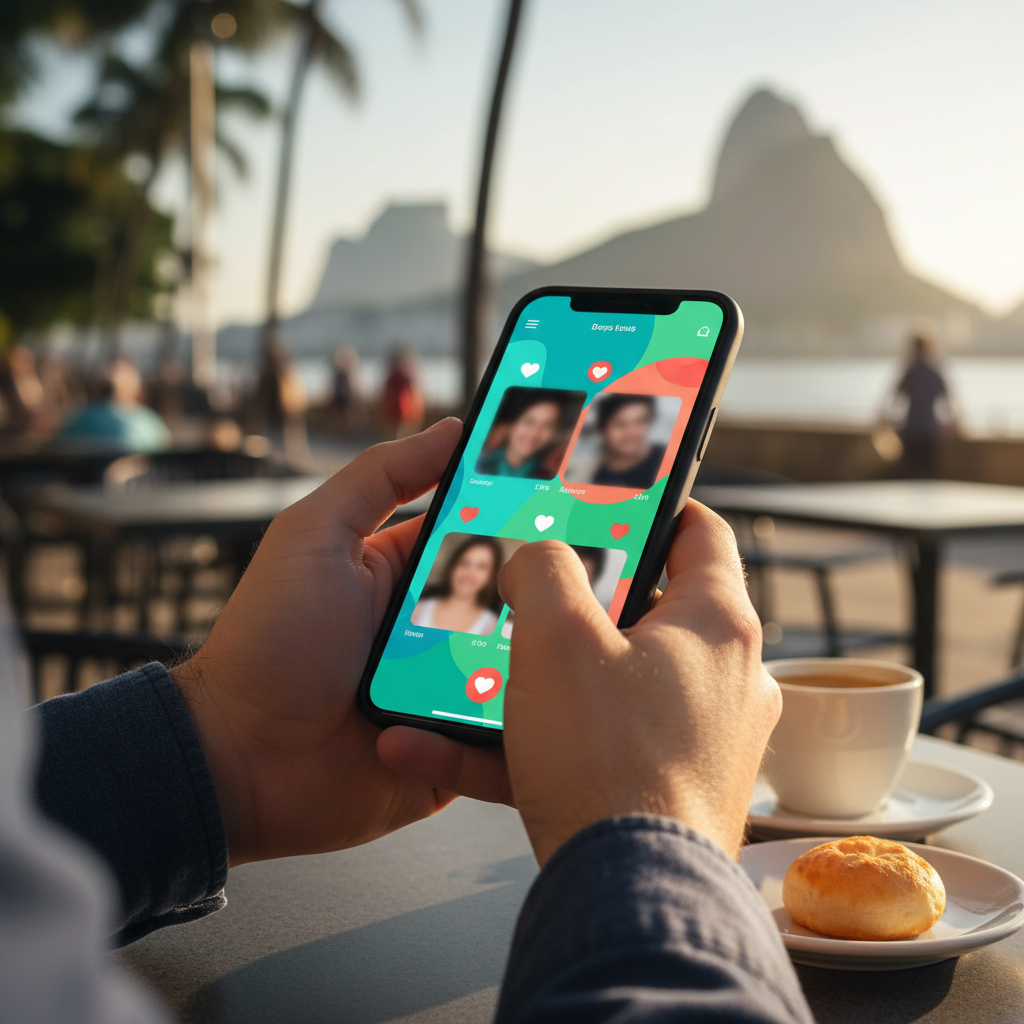
In an age where digital connections often precede real-world encounters, dating apps have become an indispensable tool for singles across the United States. From bustling metropolises to quiet suburban towns, millions are turning to their smartphones in the quest for companionship, romance, or even marriage. But with a seemingly endless array of options, how does one distinguish between a fleeting trend and a genuinely effective platform? Choosing the right dating app isn’t just about swiping; it’s about understanding your own romantic goals, evaluating platform features, and aligning with a community that resonates with your values. This comprehensive guide delves into the popular landscape of dating apps, offering a comparative analysis of their strengths and weaknesses to help you make an informed decision on your journey to finding a meaningful connection.
Understanding Your Dating Goals Before You Swipe
Before downloading the first app that comes to mind, it’s crucial to pause and reflect on what you’re truly seeking. Are you looking for a long-term commitment, a casual fling, new friendships, or something in between? Your dating goals significantly influence which app will best serve your purpose. The digital dating world is diverse, with platforms catering to every conceivable preference, from niche interests to broad demographics. Misaligning your intentions with an app’s primary user base can lead to frustration and wasted time. For instance, an app renowned for serious relationships might not be ideal for someone seeking casual dates, and vice-versa. Taking this preliminary step of self-assessment will refine your search, narrow down your options, and ultimately enhance your chances of a positive experience.
Consider also your personality and comfort level with different interaction styles. Are you someone who enjoys extensive profiles and thoughtful messages, or do you prefer quick, visual assessments and immediate matches? Some apps thrive on detailed questionnaires and compatibility algorithms, encouraging users to invest time in crafting a comprehensive representation of themselves. Others prioritize speed and simplicity, focusing on photos and brief bios. Your preferred communication style and the effort you’re willing to put into the initial stages of dating should guide your choice. Understanding these personal parameters will empower you to select an app that not only matches your goals but also fits seamlessly into your digital dating comfort zone.
Tinder: The Pioneer of Swipe Culture
Tinder revolutionized the dating world with its iconic swipe mechanism, introducing a gamified approach to meeting new people. Launched in 2012, it quickly became a global phenomenon, popularizing the concept of quickly judging profiles based primarily on photos and a brief bio. Its ubiquity, especially among younger demographics, has made it a default starting point for many venturing into online dating.
Pros of Tinder:
- Vast User Base: Tinder boasts one of the largest user pools globally, significantly increasing your chances of finding potential matches in almost any location, particularly in major U.S. cities. This sheer volume means more options and a higher likelihood of someone being available when you are.
- Simplicity and Ease of Use: The swipe-right-for-yes, swipe-left-for-no interface is incredibly intuitive and requires minimal effort, making it accessible even for those new to dating apps. Profile creation is also straightforward, allowing users to get started quickly.
- Casual Dating Friendly: While not exclusively for hookups, Tinder has a reputation for facilitating casual encounters and short-term relationships, making it a suitable choice for those not immediately seeking something serious.
- Geographic Matching: Its location-based matching system is excellent for meeting people nearby, which can be convenient for spontaneous dates or local connections.
Cons of Tinder:
- Superficiality: The emphasis on photos can lead to a more superficial dating experience, where appearance often overshadows personality or shared interests. This can be frustrating for those seeking deeper connections.
- Volume Over Quality: While there are many users, sifting through numerous profiles to find a truly compatible match can be time-consuming and overwhelming. The quality of matches can vary widely.
- Ghosting and Low Engagement: Due to its casual nature, ghosting is prevalent on Tinder, and many matches may not lead to actual conversations or dates, requiring a thick skin and persistence.
- Subscription Costs for Features: While free to use, essential features like seeing who liked you, unlimited likes, and the ability to undo swipes are locked behind premium subscriptions (Tinder Plus, Gold, and Platinum), which can add up.
Bumble: Women Make the First Move
Bumble emerged as a direct response to some of the common frustrations in online dating, specifically aiming to empower women and foster more respectful interactions. Founded by a former Tinder executive, Bumble’s defining feature is that in heterosexual matches, only women can initiate the conversation within 24 hours of matching. For same-sex matches, either person can send the first message.
Pros of Bumble:
- Women-Centric Approach: By requiring women to make the first move, Bumble aims to reduce unsolicited messages and create a more comfortable environment for female users, often leading to more thoughtful initial interactions.
- Reduced Harassment and Spam: The design choice significantly cuts down on the amount of spam and inappropriate messages that women often receive on other platforms, fostering a safer community.
- Promotes Equality: The “first move” rule subtly encourages a more equitable dynamic from the outset, challenging traditional gender roles in dating.
- Versatile Modes: Beyond dating, Bumble also offers “Bumble BFF” for finding platonic friendships and “Bumble Bizz” for professional networking, making it a multifaceted social app.
- Higher Quality Conversations: The 24-hour time limit for initiating contact and responding can encourage users to be more intentional and engaged, often leading to more substantive conversations.
Cons of Bumble:
- Time Pressure: The 24-hour window for making the first move or responding can feel pressured for some users, potentially leading to missed connections if not checked frequently.
- Limited Reach for Men: Men on Bumble are unable to initiate contact, which can be frustrating if they’ve matched with someone they’re very interested in but are waiting for a message.
- Smaller User Base (Compared to Tinder): While substantial, Bumble’s user base, particularly in certain regions, might be smaller than Tinder’s, potentially limiting options.
- Subscription for Extensions: While the core experience is free, extending the 24-hour match window or seeing who liked you requires a Bumble Boost or Premium subscription.
Hinge: Designed to Be Deleted
Hinge brands itself as “the dating app designed to be deleted,” emphasizing its focus on fostering serious relationships. Unlike swipe-based apps, Hinge encourages users to interact with specific photos or prompts on a profile, leading to more engaging and context-rich conversations. It aims to move beyond superficial judgments by providing deeper insights into personalities.
Pros of Hinge:
- Focus on Deeper Connections: Hinge’s prompt-based system encourages users to showcase more of their personality, interests, and humor, leading to more meaningful interactions from the start. This makes it ideal for those seeking serious relationships.
- Specific Interaction Points: Instead of a general swipe, users must like or comment on a specific photo or prompt, which acts as a natural conversation starter and indicates genuine interest.
- Detailed Profiles: Profiles on Hinge are richer and more informative than those on typical swipe apps, offering more fodder for conversation and better insights into compatibility.
- “Most Compatible” Feature: Hinge’s algorithm learns from your preferences and interactions to suggest “Most Compatible” matches daily, often leading to highly suitable recommendations.
- Feedback Loop: Hinge asks users “Did you go on a date with [match’s name]?” and “How was it?” to refine its algorithm, aiming for better future matches.
Cons of Hinge:
- Smaller User Base (Generally): While growing, Hinge might have a smaller user base compared to giants like Tinder or Bumble, especially outside major metropolitan areas, potentially limiting match options.
- More Time-Consuming: Crafting detailed profiles and engaging with prompts requires more effort and time than the quick-swipe approach, which might not appeal to everyone.
- Limited Free Likes: The free version limits the number of likes you can send per day, encouraging more thoughtful engagement but potentially slowing down the matching process for active users.
- Premium Features for Visibility: Features like unlimited likes, advanced preferences, and seeing everyone who likes you are locked behind a Hinge Preferred membership.
Match.com: The Veteran in Online Dating
Match.com is one of the oldest and most established online dating services, having launched in 1995. Its longevity speaks to its effectiveness and adaptability. Match.com caters primarily to singles seeking long-term relationships and marriage, often appealing to an older demographic than some of the newer, app-centric platforms. It relies on extensive profiles and sophisticated algorithms to facilitate compatibility.
Pros of Match.com:
- Established Reputation and Trust: With decades of experience, Match.com has a proven track record of facilitating long-term relationships and marriages, lending it significant credibility.
- Extensive Search Filters: Users can employ highly detailed search criteria, including lifestyle choices, beliefs, appearance, and relationship goals, allowing for precise targeting of potential partners.
- Serious Relationship Focus: The platform is explicitly geared towards singles seeking committed, long-term relationships, ensuring that a significant portion of its user base shares similar intentions.
- Large, Diverse User Base: Match.com has a vast and diverse user base across the U.S., including a substantial number of users over 30, which can be an advantage for those seeking older partners.
- In-Depth Profiles: Profiles are comprehensive, allowing users to provide extensive information about themselves, their interests, and what they’re looking for, leading to more informed decisions.
Cons of Match.com:
- Subscription-Based Model: The core functionality, including messaging, requires a paid subscription, which can be a barrier for some users and makes it one of the more expensive options.
- Time Commitment: Creating a detailed profile and navigating the extensive search options can be time-consuming. The platform is designed for a slower, more deliberate approach to dating.
- Older Interface (Perception): While updated, some users might find the interface less modern or intuitive compared to newer, mobile-first dating apps.
- Potential for Scammers: Like any large platform, Match.com has to contend with scammers, though it employs various measures to combat them. Vigilance is still required.
OkCupid: Data-Driven Compatibility
OkCupid, launched in 2007, differentiates itself through its extensive questionnaire and algorithmic approach to matching. It emphasizes personality, shared values, and detailed answers to a wide range of questions to determine compatibility percentages between users. This platform is popular among those who prefer to know more about a potential match’s personality and beliefs before engaging in conversation.
Pros of OkCupid:
- In-Depth Compatibility System: OkCupid uses a comprehensive question-and-answer system to calculate compatibility percentages, helping users identify genuinely aligned matches beyond superficial attributes.
- Diverse and Inclusive: The app is known for its inclusivity, offering numerous gender and sexuality options, and catering to a wide range of relationship preferences, from monogamy to polyamory.
- Focus on Personality and Values: Profiles are designed to reveal more about a user’s personality, interests, and beliefs through prompts and questions, encouraging deeper connections.
- Robust Free Features: Unlike many apps, OkCupid offers substantial functionality for free, including messaging and viewing profiles, making it accessible to a broader audience.
- Open-Ended Communication: Users can send messages without a prior match, though unread messages from non-matches are typically filtered into a separate “Introductions” tab.
Cons of OkCupid:
- Time-Consuming Profile Setup: To truly leverage its compatibility algorithm, users need to answer many questions, which can be a lengthy process.
- Information Overload: The sheer amount of information on profiles can be overwhelming for some, and users might not always read through everything.
- “Introductions” Tab Can Be Missed: Messages from non-matches can easily be overlooked in the “Introductions” tab, potentially leading to missed connections.
- Less Polished Interface: Some users might find the interface less sleek or modern compared to apps like Hinge or Bumble.
- Subscription for Enhanced Visibility: Premium features, such as seeing all your likes or boosting your profile, require a paid subscription.
Niche Dating Apps: Tailored Connections
Beyond the mainstream platforms, a thriving ecosystem of niche dating apps caters to specific demographics, interests, or lifestyles. These apps recognize that sometimes, the most important connection starts with a shared passion or identity. From religious dating to apps for farmers, pet lovers, or specific professional fields, niche apps offer a highly curated experience.
Pros of Niche Apps:
- Highly Targeted Matching: The primary advantage is connecting with individuals who share very specific interests, beliefs, or backgrounds, ensuring a foundational level of compatibility from the outset.
- Stronger Sense of Community: Users often feel a greater sense of belonging and understanding within these specialized communities, leading to more comfortable and authentic interactions.
- Reduced Searching Effort: By filtering for specific criteria automatically, these apps save users the effort of sifting through countless profiles that don’t meet their fundamental requirements.
- Increased Likelihood of Alignment: The probability of finding someone with truly aligned life goals, values, or hobbies is significantly higher on a niche platform.
Cons of Niche Apps:
- Smaller User Base: By definition, niche apps have a much smaller user pool, which can limit the number of potential matches, especially in less populated areas.
- Less Diversity: While the targeted approach is a strength, it also means less diversity in terms of backgrounds and perspectives, which might not appeal to everyone.
- Limited Reach: If your specific niche is very small, you might quickly exhaust all available matches, necessitating a move to a broader platform.
- Varying Quality and Longevity: The quality of niche apps can vary widely, and some may not have the sustained user engagement or robust features of more established platforms.
Examples of Niche Apps:
- Christian Mingle / JDate: For singles seeking partners within their respective faiths.
- FarmersOnly: “City folk just don’t get it.” For rural singles.
- HER: A popular dating app specifically for lesbian, queer, bisexual, and straight women and non-binary people.
- BlackPeopleMeet: Caters to African American singles looking for relationships.
- The League: An exclusive app for ambitious, career-oriented professionals.
Final Considerations: Making Your Choice and Staying Safe
Choosing the right dating app is a highly personal journey, and there’s no universal “best” option. Your ideal app will depend on your specific dating goals, your comfort with various interfaces, the amount of time you’re willing to invest, and the type of community you wish to join. It might even involve trying a few different platforms concurrently to see which one yields the most promising results for you.
Once you’ve decided on an app, remember that safety should always be your paramount concern. When interacting with new people online, be cautious about sharing personal information too soon. Always meet in a public place for your first few dates, inform a friend or family member of your plans, and arrange your own transportation. Trust your instincts; if something feels off, it probably is. Online dating can be a wonderfully effective way to expand your social circle and find meaningful connections, but a proactive approach to safety and a clear understanding of your intentions are key to a positive and successful experience.


0 Comments